
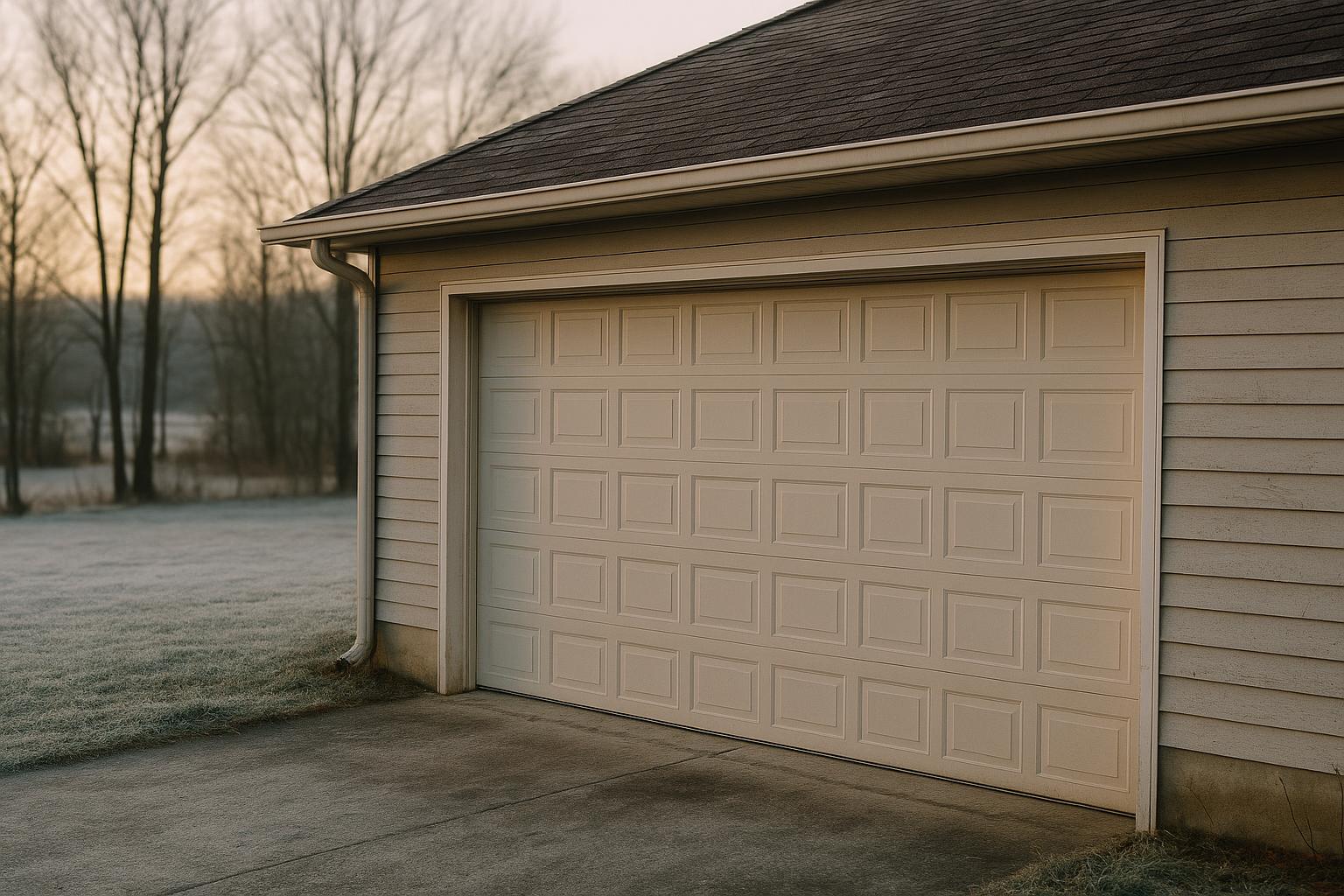
Winter Can Be Tough on Your Garage Door
When temperatures drop across Macon County, most homeowners think about insulating pipes, servicing their furnace, and stocking up on firewood. But there's one part of your home that often gets overlooked during winter prep: your garage door.
Your garage door is the largest moving component of your home, and cold weather affects nearly every part of it — from the springs and tracks to the weatherstripping and opener. A little preventive attention before winter sets in can save you from a frustrating (and expensive) breakdown on the coldest morning of the year.
Here's a practical guide for Lafayette, TN homeowners who want to keep their garage doors working reliably through the winter months.
Inspect and Replace Worn Weatherstripping
The rubber weatherstripping along the bottom and sides of your garage door serves as a seal against cold air, moisture, rain, and pests. Over time, this material cracks, hardens, and pulls away — especially after a hot Tennessee summer.
Before winter arrives, take a close look at your weatherstripping:
- Is it cracked, brittle, or peeling away from the door?
- Can you see daylight coming through the gaps when the door is closed?
- Do you notice drafts or moisture on your garage floor?
If any of these apply, it's time for a replacement. New weatherstripping is relatively inexpensive, and it makes a noticeable difference in keeping your garage warmer and drier. If your garage is attached to your home, a proper seal also helps reduce your heating bill.
Lubricate All Moving Parts
Cold weather causes metal components to contract, which increases friction and can make your garage door sluggish, noisy, or difficult to operate. A thorough lubrication of all moving parts is one of the simplest and most effective things you can do before winter.
Focus on these areas:
- Hinges — Apply a silicone-based or lithium-based lubricant to each hinge point.
- Rollers — If you have metal rollers, lubricate the bearings. Nylon rollers typically don't need lubrication but should be inspected for wear.
- Springs — Lightly coat torsion or extension springs to prevent rust and reduce stress during cold operation.
- Tracks — Wipe the tracks clean of debris but avoid heavy lubrication, which can attract dirt and cause buildup.
Avoid using WD-40 as a long-term lubricant. It works well as a cleaner, but it evaporates quickly and doesn't provide lasting protection against cold-weather friction.
Test the Balance of Your Door
An unbalanced garage door puts extra strain on your opener and springs, and winter conditions can make an existing imbalance worse. Testing the balance is straightforward:
- Disconnect the automatic opener by pulling the release handle.
- Manually lift the door about halfway and let go.
- A properly balanced door should stay in place. If it slides up or down, the springs likely need adjustment.
Spring adjustment is not a DIY job — the tension involved is dangerous. If your door fails this test, give a local professional a call to have it properly balanced before the cold weather puts additional stress on the system.
Check Your Garage Door Opener
Garage door openers can behave unpredictably in cold weather. The grease inside the motor can thicken, batteries in remote controls and keypads lose charge faster, and safety sensors can become misaligned due to temperature fluctuations.
Here's a quick winter checklist for your opener:
- Replace batteries in your remote controls and wall-mounted keypad. Cold weather drains batteries faster than you'd expect.
- Test the auto-reverse feature by placing a small object (like a roll of paper towels) in the door's path. The door should reverse immediately upon contact.
- Clean the safety sensor lenses near the bottom of the door tracks. Dust, cobwebs, or condensation can interfere with the beam and prevent the door from closing.
- Listen for unusual sounds when the opener runs. Grinding or straining noises may indicate that the motor is working harder than it should.
Consider Insulating Your Garage Door
If your garage is attached to your home — as many are here in Lafayette — an uninsulated garage door can act like a giant cold wall, pulling heat out of your living spaces and driving up energy costs.
Insulated garage doors feature layers of polyurethane or polystyrene foam between the door panels. If you're not ready to replace your entire door, retrofit insulation kits are available that attach to the inside of your existing panels.
Benefits of an insulated garage door include:
- More stable temperatures in your garage, protecting stored items, vehicles, and pipes
- Lower energy bills, especially if your garage shares a wall with heated living space
- Quieter operation, since insulation dampens vibration and noise
If you're thinking about upgrading to an insulated door, winter is actually a great time to do it — you'll feel the difference immediately.
Clear the Area Around Your Garage Door
This one sounds simple, but it matters. Before winter weather hits, take a few minutes to clear away leaves, dirt, and debris from around your garage door tracks and threshold. Wet leaves and mud can freeze overnight and interfere with the door's seal or track alignment.
Also make sure that water drains away from your garage entrance. Standing water that freezes at the base of your door can create an ice dam that prevents the door from opening or damages the bottom panel and weatherstripping.
Schedule a Professional Tune-Up
Even if everything looks fine to the naked eye, a professional maintenance visit can catch small issues before they become big problems. A trained technician will inspect components that are difficult to evaluate on your own — cable condition, spring tension, track alignment, and opener performance under load.
At Lafayette Garage Door, we recommend scheduling a preventive maintenance visit at least once a year, and fall is the ideal time. We'll go through every component of your system, make adjustments, lubricate parts, and let you know if anything needs attention before winter puts your door to the test.
Don't Wait for a Breakdown
It's easy to take your garage door for granted — until it stops working on a freezing morning when you need to get to work. A little preparation now goes a long way toward avoiding that scenario.
Whether you need weatherstripping replaced, a full tune-up, or you're considering upgrading to an insulated garage door, Lafayette Garage Door is here to help homeowners across Lafayette, Red Boiling Springs, Westmoreland, and the surrounding area. We show up on time, explain what we find, and get the job done right.
Give us a call to schedule your winter maintenance visit before the cold settles in for good.