
That Noise Isn't Normal — Here's What Your Garage Door Is Telling You
You press the button on your garage door opener, and instead of the smooth, quiet operation you're used to, you hear grinding, squealing, popping, or banging. It's unsettling, and for good reason. Strange garage door noises are almost always a sign that something needs attention — and ignoring them can lead to costly repairs or even a safety hazard.
If you're a homeowner in Lafayette or anywhere in Macon County, you've probably experienced this at least once. Temperature swings, humidity, and everyday wear and tear all take a toll on garage door systems. The good news is that most noise issues have straightforward causes, and many can be resolved quickly by a trained technician.
Let's walk through the most common garage door noises, what causes them, and what you should do about each one.
Grinding or Scraping Sounds
A grinding noise when your garage door opens or closes is one of the most common complaints we hear from homeowners in Lafayette. This sound typically points to one of a few issues:
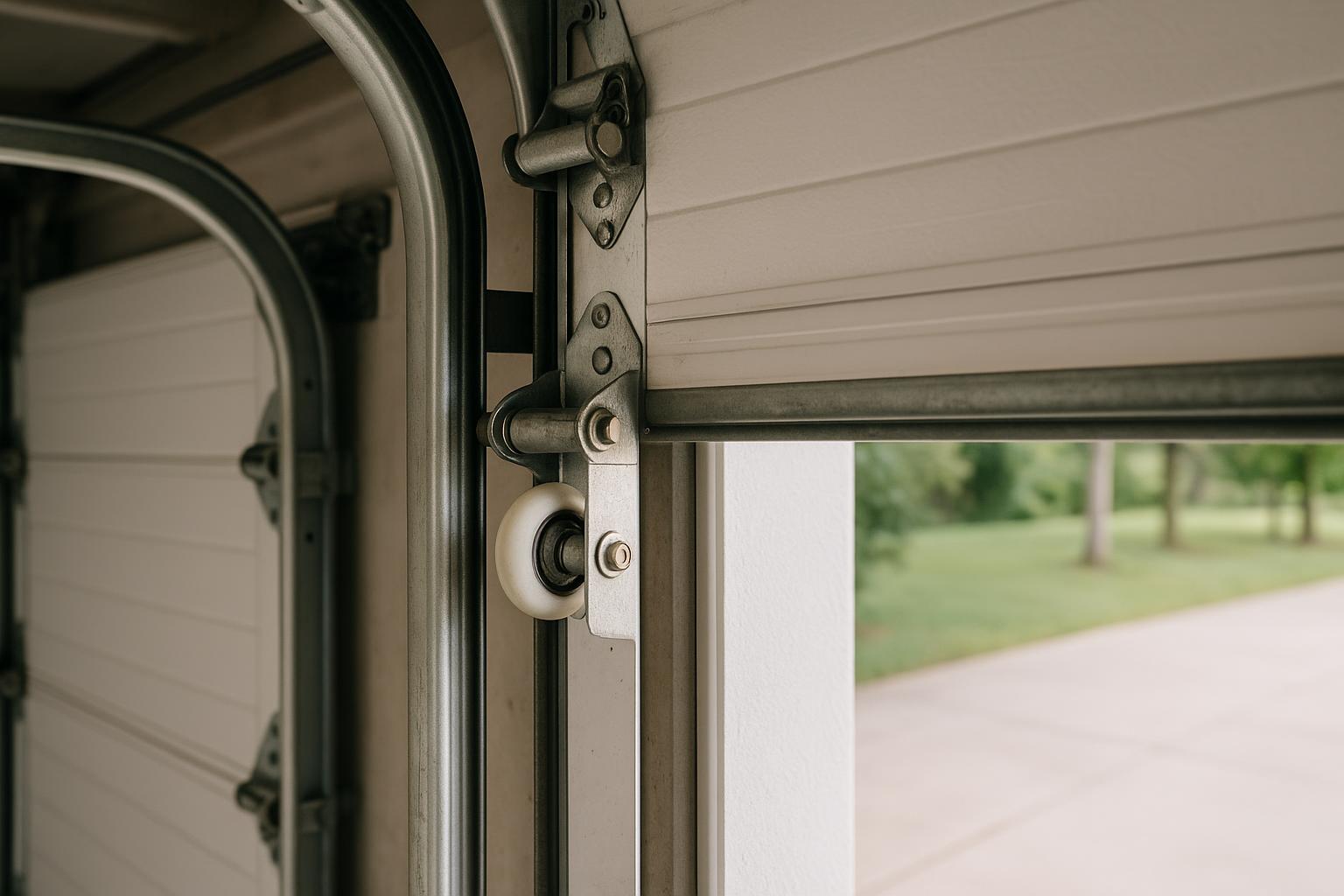
- Worn rollers: Metal rollers that have lost their lubrication or have become corroded will grind against the track. Nylon rollers are quieter and last longer, and upgrading to them is a popular fix.
- Misaligned tracks: If the vertical or horizontal tracks have shifted even slightly, the door can scrape against the metal as it moves. This not only creates noise but can damage the door panels over time.
- Opener gear issues: In belt-drive and chain-drive openers, internal gears can wear down. A grinding sound coming from the motor unit itself usually means the gear or sprocket assembly needs to be replaced.
If you hear grinding, it's best to stop using the door and have it inspected. Continuing to operate a misaligned or worn system can cause further damage that turns a minor repair into a major one.
Squealing or Squeaking Noises
High-pitched squealing is often the easiest problem to solve. In most cases, it comes down to a lack of lubrication. Garage doors have many moving parts — hinges, rollers, springs, and bearings — and all of them need periodic lubrication to operate smoothly.
Here in Lafayette, TN, where we get both humid summers and cold winters, metal components expand and contract with temperature changes. This accelerates wear and dries out lubricant faster than you might expect.
What You Can Do
Apply a silicone-based or lithium-based garage door lubricant to the following parts:
- Hinges (where they pivot)
- Rollers (especially the bearings)
- Torsion springs
- The opener's chain or screw drive
Avoid using WD-40 as a long-term lubricant — it's a solvent and degreaser, not a true lubricant. It may quiet things down temporarily, but it won't provide lasting protection.
If lubrication doesn't solve the squealing, the issue may be worn-out bearings or hinges that need to be replaced. That's when it's time to call a professional.
Loud Banging or Popping
A sudden bang or pop when the door starts moving is alarming, and it should be. This noise often indicates a problem with the torsion springs. These heavy-duty springs are mounted above the door and are under extreme tension. When they begin to wear, they can slip or shift, creating a loud popping sound.
In the worst case, a banging noise could mean a spring has already broken. A broken torsion spring is a serious safety issue. The door becomes extremely heavy without spring support, and attempting to operate it manually or with the opener can be dangerous.
Never attempt to replace or adjust torsion springs yourself. This is one repair that should always be handled by a trained garage door technician. The springs store enough energy to cause severe injury if they release unexpectedly.
Rattling or Vibrating
Rattling noises are common and usually less serious, but they shouldn't be ignored. The most frequent causes include:
- Loose hardware: Nuts, bolts, and screws throughout the door system can loosen over time due to the vibration of daily use. A simple tightening with a socket wrench can often eliminate the rattle.
- Loose chain on the opener: If you have a chain-drive opener, the chain can develop slack over time. A loose chain slaps against the rail and creates a rattling or vibrating noise during operation.
- Worn insulation or weatherstripping: On insulated doors, the internal insulation panels or bottom weatherstrip can come loose and vibrate when the door moves.
A quick visual inspection can often reveal the source of a rattle. Tighten what you can safely reach, but leave any adjustments to the opener mechanism or spring system to a professional.
Clicking or Ticking Sounds
A rhythmic clicking or ticking during operation usually points to something caught in the track or a roller that has developed a flat spot. Small debris — pebbles, leaves, or bits of dried mud — can get lodged in the tracks and create a clicking noise as the rollers pass over them.
Clean the tracks with a damp cloth and check for any visible obstructions. If the clicking persists after cleaning, one or more rollers may be damaged and need replacement.
When to Call a Professional
Some garage door noises can be resolved with basic maintenance — a little lubrication, tightening a few bolts, or clearing debris from the tracks. But many noises signal problems that require professional tools, parts, and expertise to fix safely.
You should call a garage door technician if:
- The noise started suddenly and is accompanied by difficulty opening or closing the door.
- You suspect a spring issue — any popping, banging, or visible gap in a torsion spring.
- The door appears crooked or uneven when moving.
- Lubrication and basic tightening haven't resolved the noise.
- The opener motor runs but the door doesn't move, or moves only partway.
At Lafayette Garage Door, we handle these types of calls every week. Most noise-related issues can be diagnosed and repaired in a single visit, and we always explain what we find before we start any work.
Preventive Maintenance Keeps Things Quiet
The best way to avoid unexpected garage door noises is with regular preventive maintenance. We recommend having your garage door system inspected and serviced at least once a year. During a maintenance visit, a technician will lubricate all moving parts, check spring tension, tighten hardware, inspect rollers and tracks, and test the safety features of your opener.
For homeowners in Lafayette, Red Boiling Springs, Westmoreland, and the surrounding areas, a yearly tune-up can extend the life of your garage door by years and help you avoid emergency repair calls.
Don't Ignore the Warning Signs
Your garage door is one of the largest moving parts of your home, and it works hard — most families open and close it multiple times a day. When it starts making unusual noises, it's communicating that something needs attention. Addressing the issue early almost always saves money and prevents inconvenient breakdowns.
If your garage door has been making noises that concern you, give Lafayette Garage Door a call. We'll come out, figure out what's going on, and get your door running smoothly and quietly again.